 Skip to content
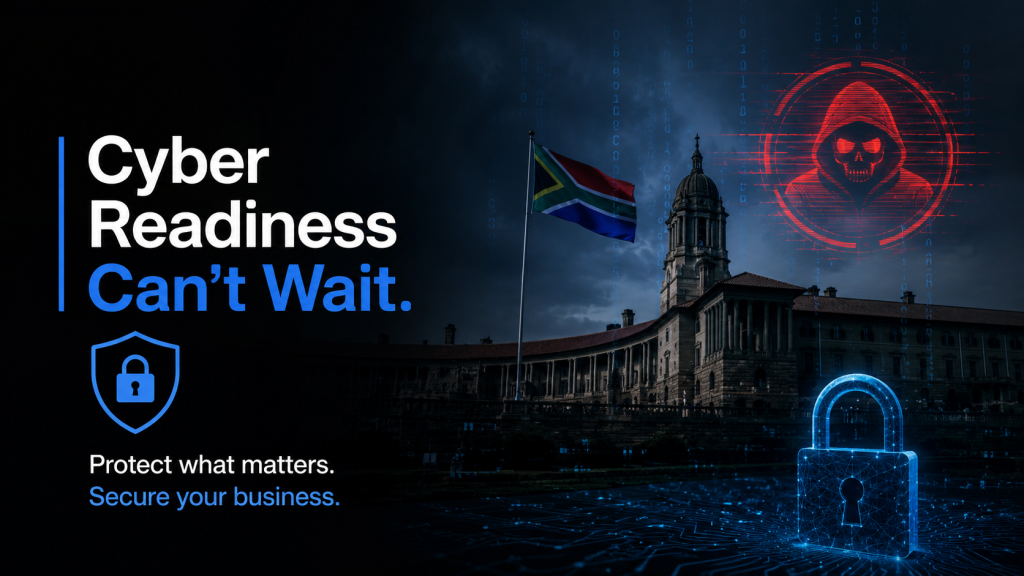
Hacktivist Attacks on SA Government Show Why Cyber Readiness Can’t Wait
Michael Pretorius
May 29, 2026
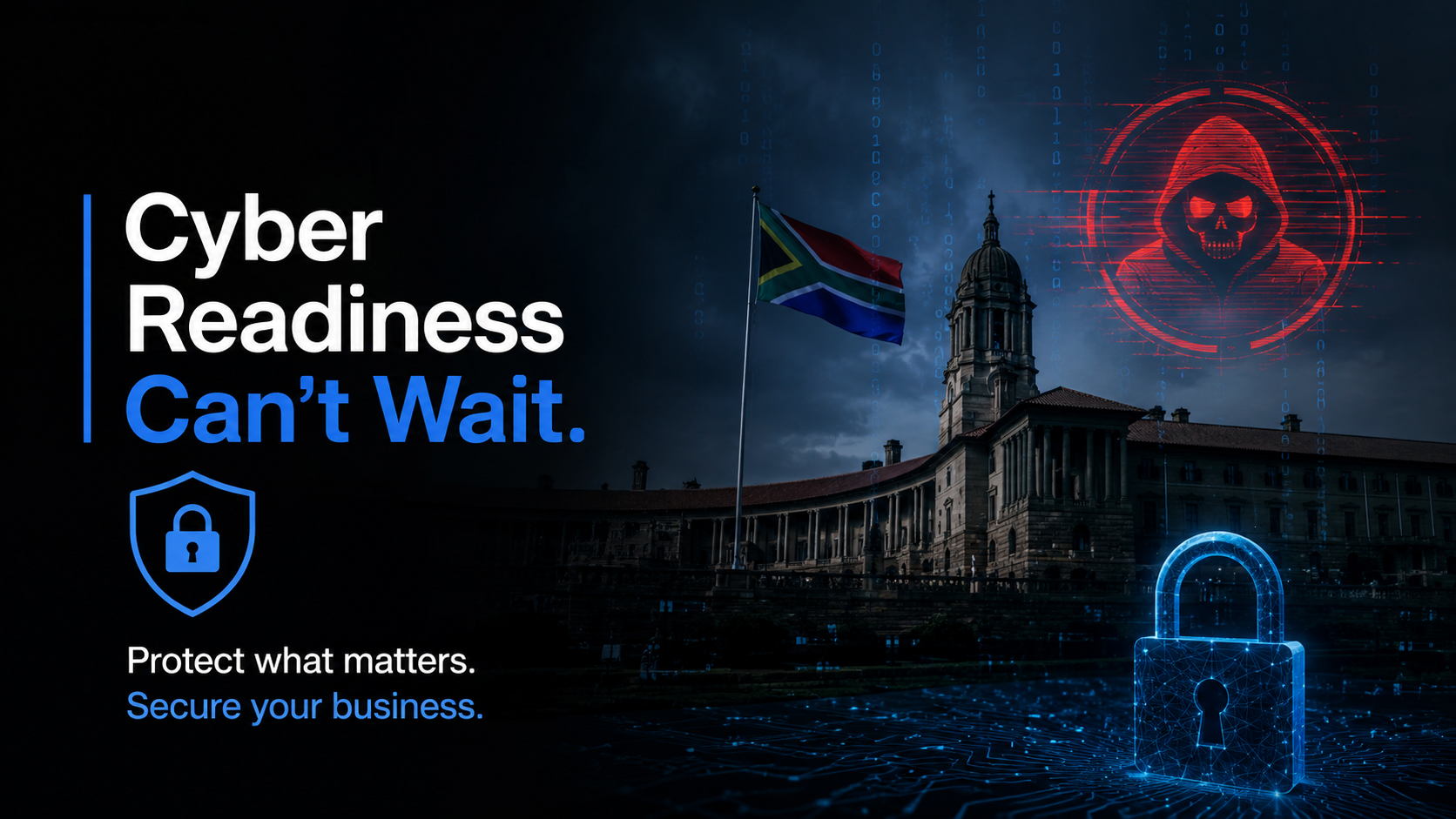
South African government entities have reportedly become targets in a new wave of cyberattacks linked to xenophobic violence in the country.
According to a Daily Maverick report, Nigerian-linked hacktivist groups, including Nullsec Nigeria, 404 Crew and Infernalis, have claimed attacks against several South African state institutions as part of a campaign referred to as #OpSouthAfrica. The campaign is reportedly connected to retaliation over recent anti-immigration protests and xenophobic violence in South Africa.
The reported targets include major public institutions such as the South African Civil Aviation Authority, the South African National Space Agency, SASSA, the Department of Human Settlements and the National Housing Finance Corporation. The stolen information allegedly includes databases, personally identifiable information, financial records and internal employee data.
While these attacks appear to be aimed at government, they point to a much bigger issue for South African organisations: cyber risk is no longer only about criminals looking for money. It can now be driven by politics, social tension, public pressure and digital retaliation.
A Warning for Businesses
The danger with cyberattacks is that the impact rarely stays contained.
When public institutions or large organisations are compromised, the consequences can spread to citizens, suppliers, employees, service providers and connected businesses. Stolen personal information can also be used later in phishing attempts, identity attacks or further breaches.
The report also highlights that email remains one of the biggest weaknesses across African organisations, with phishing, fake QR codes and spam emails still being common attack methods.
For businesses, this is a reminder that cyber exposure often starts with simple gaps: weak passwords, outdated systems, unpatched software, misconfigured cloud platforms or employees clicking on convincing messages.
Why Reactive Cybersecurity Is No Longer Enough
Small and medium-sized businesses may not be the direct target of major hacktivist campaigns, but they are still exposed to the same methods attackers use every day.
One compromised email account, one unprotected laptop or one missed vulnerability can create a serious business risk.
Cybersecurity is not only about preventing hackers from getting in. It is about protecting business continuity, customer trust, sensitive information and operational stability.
What South African SMEs Should Take From This
This incident is not isolated. South Africa has seen a steady increase in ransomware and data breach cases over the past few years.
Government entities, financial institutions, and private businesses are all being targeted.
Cybercriminals are becoming more sophisticated, often focusing on organisations that lack strong detection and response capabilities.
The pattern is clear.
Attackers are not just targeting large organisations. They are targeting those that are easiest to breach.
SmartDesk: Practical Cybersecurity for SMEs
SmartDesk from 2TS is designed to help small and medium-sized businesses strengthen their cyber protection without needing an in-house cybersecurity team.
It helps businesses identify vulnerabilities, protect endpoints, monitor risks and close security gaps before attackers can take advantage of them.
As cyber threats become faster, more political and more unpredictable, South African businesses need more than basic IT support. They need visible, managed and proactive cybersecurity.
Protect your business before your weaknesses are tested. Secure your business with SmartDesk from 2TS.
Recent Posts
-
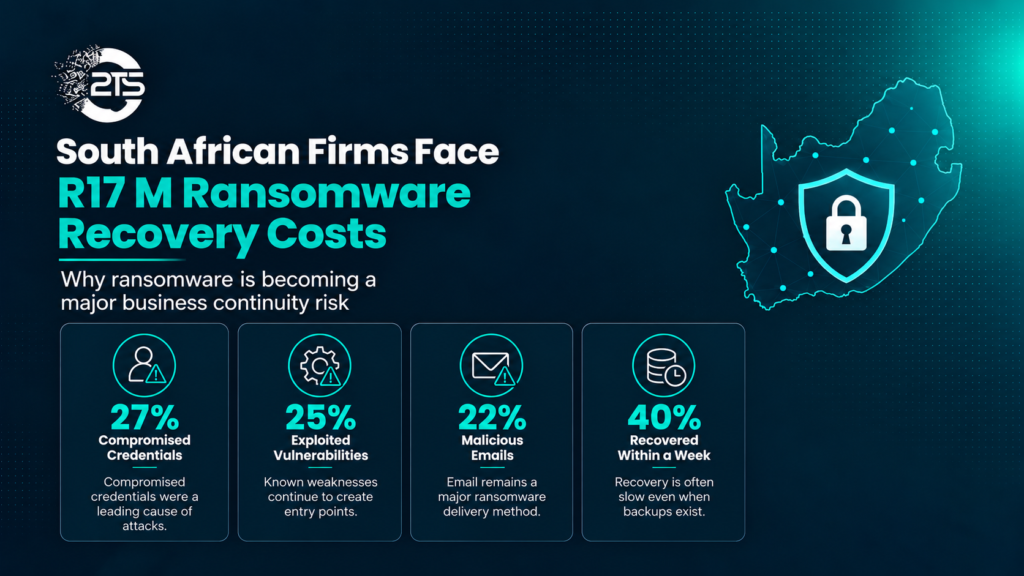 South African Firms Face R17 Million Ransomware Recovery Costs as Attacks Worsen06 Oct 2026
 -
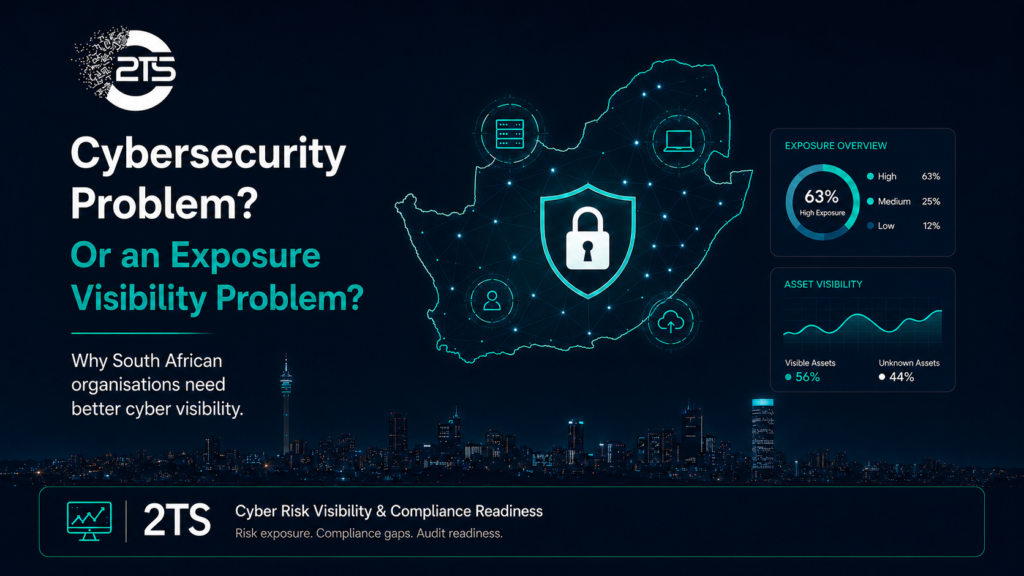 South African Organisations Don’t Just Have a Cybersecurity Problem. They Have an Exposure Visibility Problem04 Sep 2026
 -
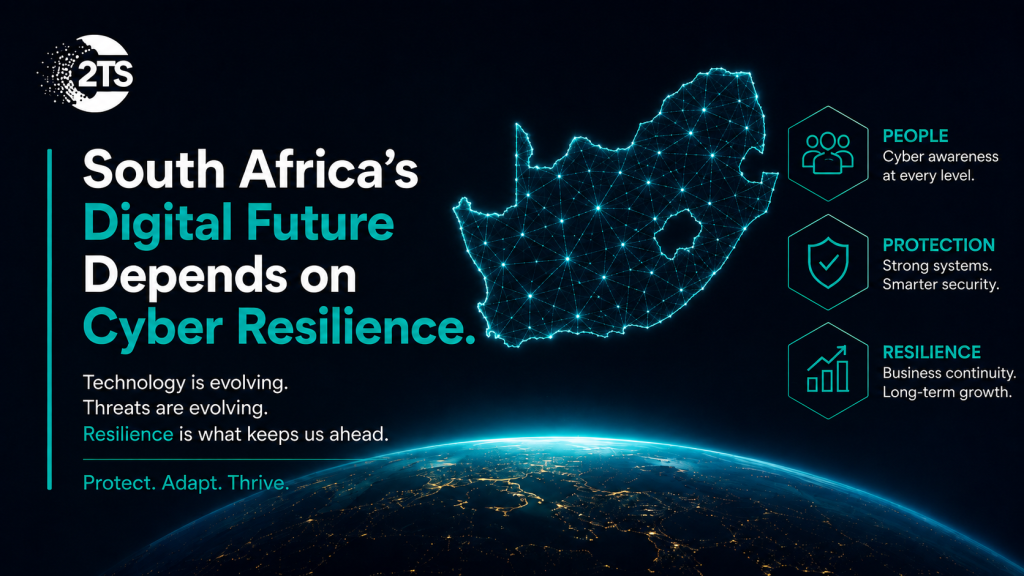 South Africa’s Digital Future Depends on Cyber Resilience05 Aug 2026
 -
 Hacktivist Attacks on SA Government Show Why Cyber Readiness Can’t Wait29 May 2026